
You’ve probably stood in front of your mirror and felt that quiet frustration: your skin looks tired, reactive, or just “off,” and the products you bought with high hopes aren’t delivering. Maybe your cheeks sting after cleansing. Maybe your forehead stays shiny no matter what you try. Or maybe you’re simply worn out by ingredient lists that read like a chemistry exam.
Table of Contents
If you’re craving a routine that feels calmer—one that matches your values and supports your skin instead of constantly “correcting” it—you’re in the right place. The best natural skin care isn’t about being perfect or 100% DIY. It’s about choosing natural products for skin that make sense for your needs, then building organic skincare solutions you can actually stick with.
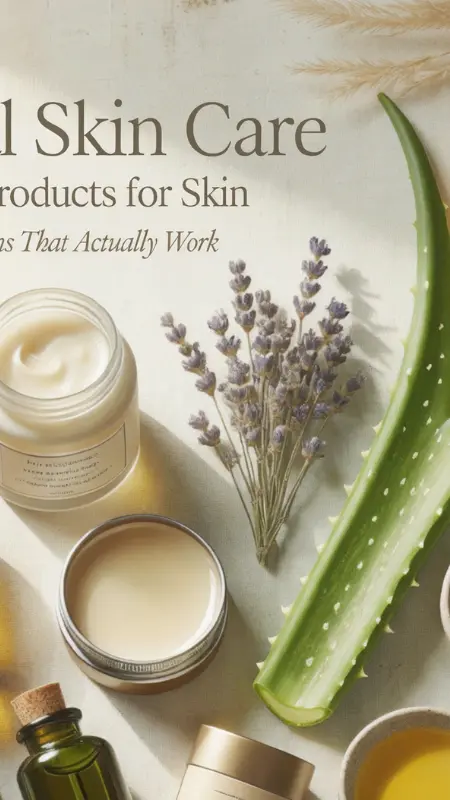
What “Best Natural Skin Care” Really Means (and What It Doesn’t)
Natural vs. Organic vs. Clean Beauty (quick definitions you can use)
Before you buy another jar, it helps to know what brands mean—and what they don’t.
- Natural skincare usually means ingredients are derived from plants, minerals, or other naturally occurring sources. In many places (including the U.S.), “natural” isn’t tightly regulated for cosmetics, so it can be used loosely.
- Organic skincare refers to how ingredients are grown and processed (for example, without certain pesticides or synthetic fertilizers). Certifications like USDA Organic (where applicable) or COSMOS/Ecocert can give you more confidence.
- Clean beauty is a marketing term with no universal definition. One brand’s “clean” formula can look totally different from another’s.
Helpful references to mention: FDA/FTC labeling guidance, COSMOS/Ecocert standards, and USDA Organic criteria (depending on product type).
Why “Natural” Isn’t Automatically Safer
Here’s the truth that saves you money and irritation: natural doesn’t automatically mean gentle.
- Poison ivy is natural.
- Citrus oils can be natural and still cause photosensitivity.
- Essential oils can smell amazing and still trigger redness, itching, or rashes.
Dermatology organizations (like the American Academy of Dermatology) often point out that fragrance—including naturally derived fragrance—can be a common irritant, especially if your skin barrier is already stressed.
Your takeaway: the best natural skin care is less about chasing “pure” and more about choosing formulas your skin can tolerate long-term.
Benefits of Natural Products for Skin (When You Choose Wisely)
Natural skincare can be a great move when it’s done thoughtfully. You’re not just buying a vibe—you’re supporting your skin’s everyday functions.
1) Barrier support and fewer irritation triggers
Your skin barrier is your built-in shield. When it’s strong, your face feels smoother, less reactive, and more comfortable.
Natural products for skin often include barrier-friendly ingredients like:
- Squalane (often derived from sugarcane or olives)
- Jojoba oil (a wax ester that behaves a lot like your skin’s sebum)
- Shea butter (rich and protective for dry patches)
- Glycerin (not “natural-only,” but widely used and very effective)
A simpler routine also tends to mean fewer “mystery reactions.” If you’ve ever broken out from a product and had no idea which ingredient did it, you already know why this matters.
2) Antioxidants and soothing botanicals
Many plant extracts bring antioxidant and calming benefits, especially when they’re properly formulated and stored.
Look for familiar standouts like:
- Green tea (antioxidant support)
- Calendula (soothing)
- Colloidal oatmeal (comforting for itchy or reactive skin)
- Aloe vera (hydration + calming for many people)
Note on evidence: colloidal oatmeal, for example, is commonly discussed in clinical contexts for dry, irritated skin. Green tea polyphenols have research support for antioxidant activity. (If you like to go deep, you can find peer-reviewed discussions in PubMed.)
Your Skin Type Comes First (Then Your Organic Skincare Solutions)
You’ll get better results when you match your routine to your skin type and your real-life habits.
Best natural skin care for dry skin
If your skin feels tight, flaky, or rough, you’re playing defense.
Focus on:
- Gentle cleansing (no “squeaky clean” feeling)
- Layered hydration
- A richer moisturizer that seals water in
Look for:
- Shea butter, squalane, jojoba
- Glycerin, panthenol
- Ceramides (often lab-made but extremely barrier supportive)
Skip or limit:
- Harsh foaming cleansers
- Strong acids too often (they can worsen dryness fast)
Best natural skin care for oily or acne-prone skin
If you’re shiny by noon or prone to clogged pores, you need balance—not punishment.
Focus on:
- Light hydration (yes, you still need hydration)
- Non-greasy textures
- Gentle, consistent cleansing
Look for:
- Green tea, niacinamide (often “nature-identical”)
- Zinc-based products
- Lightweight oils like squalane (many acne-prone people tolerate it well)
Be careful with:
- Heavy, buttery formulas all over your face (they can be too occlusive for you)
- Aggressive scrubs (they often backfire)
Best natural skin care for sensitive or reactive skin
If your skin stings easily or gets red quickly, your routine should feel almost boring—in a good way.
Focus on:
- Fragrance-free basics
- Barrier repair
- Low ingredient count
Look for:
- Colloidal oatmeal, centella asiatica, panthenol
- Minimal formulas in stable packaging
Avoid at first:
- Essential oils
- Strong acids
- “Tingling” masks (tingling is often irritation, not effectiveness)
Best natural skin care for mature skin
If you’re seeing more dryness, fine lines, or dullness, think: hydration + consistency.
Focus on:
- Daily moisturizing
- Antioxidants
- Sunscreen every morning
Look for:
- Bakuchiol (often marketed as a gentler alternative to retinol)
- Vitamin C derivatives in stable packaging
- Peptides (again, commonly lab-made but useful)
Non-negotiable: broad-spectrum sunscreen. Dermatology guidance is clear here—UV exposure is a major driver of visible aging.
Ingredient Spotlight: Natural Products for Skin That Earn Their Keep
Top “hero” ingredients (and why you’ll care)
- Colloidal oatmeal: helps calm and comfort dry, irritated skin
- Aloe vera (stabilized): light hydration and soothing for many skin types
- Jojoba oil: softens without feeling greasy for a lot of people
- Squalane: a smooth, stable emollient that plays well under sunscreen
- Shea butter: excellent for dry areas and winter skin
- Green tea extract: antioxidant support and calming potential
Ingredients to approach carefully (especially if your skin is moody)
- Essential oils (lavender, tea tree, citrus): can trigger irritation or allergy in some people
- Bergamot/citrus oils: higher risk of photosensitivity
- DIY lemon juice/vinegar on skin: can disrupt your barrier and cause burns or pigmentation issues
If you’re aiming for the best natural skin care, “gentle enough to use regularly” matters more than “impressive-sounding.”
How to Read Labels Like You Actually Want Results
You don’t need to become a cosmetic chemist. You just need a few habits that keep you from getting played by marketing.
A quick label checklist
- Choose fragrance-free when possible (especially for sensitive skin)
- Look for a full INCI list (the ingredient list using standardized names)
- Prefer airless pumps or dark bottles for oils and antioxidants
- Be skeptical of vague claims like:
- “chemical-free” (everything is made of chemicals)
- “non-toxic” (based on what standard?)
- “miracle” (your skin deserves better than hype)
Certifications that can help (without making you obsessive)
If you’re focused on organic skincare solutions, certifications can reduce guesswork.
- USDA Organic: strict rules, but not every cosmetic can qualify
- COSMOS Organic / Ecocert: widely recognized in natural/organic personal care
- NSF/ANSI 305: often used for “contains organic ingredients” products
For sustainability claims, the FTC Green Guides (U.S.) are a useful reference point when brands get a little too poetic about “eco.”
Build a Simple Routine (AM/PM) With Organic Skincare Solutions
The best natural skin care routine is one you’ll do even when you’re tired.
AM routine: protect and keep it light
- Gentle cleanse (or rinse with water if you’re very dry)
- Hydrate (aloe-based gel, glycerin serum, or simple hydrating toner)
- Moisturize (match texture to your skin type)
- Mineral sunscreen (zinc oxide is often a good option for sensitive skin)
Tip: If your sunscreen pills, your layers are probably too heavy. Use less product per layer and give each step 30–60 seconds to settle.
PM routine: clean + repair
- Cleanse (especially if you wore sunscreen or makeup)
- Optional treatment (1–3 nights/week if needed): gentle exfoliant or calming serum
- Moisturizer
- Optional oil seal (a few drops of squalane/jojoba if you’re dry)
If you’re acne-prone, keep the oil step optional and observe your skin for two weeks before committing.
DIY Natural Skincare Recipes (With Ingredient Tables)
Patch test every new recipe. Apply a small amount to your inner arm or behind your ear and wait 24–48 hours. If you have eczema, rosacea, or known allergies, talk to a dermatologist before experimenting.
Recipe 1: Soothing Oat + Honey Mask (dry/sensitive)
| Ingredient | Amount | Why it’s used | Notes |
|---|---|---|---|
| Colloidal oatmeal (finely ground oats) | 1 tbsp | Calms and comforts | Grind very finely to avoid scratchiness |
| Raw honey (or manuka) | 1 tbsp | Humectant + soothing feel | Avoid if you’re allergic to bee products |
| Warm water or cooled chamomile tea | 1–2 tsp | Helps blend | Chamomile can irritate some people—optional |
How you’ll use it:
- Apply to clean skin for 8–10 minutes
- Rinse gently, pat dry, moisturize right after
- Make it fresh each time (don’t store wet mixtures)
Recipe 2: Gentle Oil Cleanser Blend (normal/dry)
| Ingredient | Amount | Why it’s used | Notes |
|---|---|---|---|
| Jojoba oil | 2 tbsp | Softens and dissolves buildup | Usually lightweight |
| Squalane (sugarcane/olive-derived) | 1 tbsp | Smooth slip, stable | Good for sensitive skin |
| Castor oil (optional) | 1 tsp | Boosts cleansing feel | Too much can feel drying |
How you’ll use it:
- Massage onto dry face for 30–60 seconds
- Add warm water and keep massaging to loosen sunscreen/makeup
- Rinse well; follow with a gentle water cleanser if you clog easily
Recipe 3: Aloe Hydration Gel Booster (oily/sensitive)
| Ingredient | Amount | Why it’s used | Notes |
|---|---|---|---|
| Preserved aloe vera gel (skin-safe) | 2 tbsp | Lightweight hydration | Avoid unpreserved “fresh gel” (spoilage risk) |
| Glycerin | 2–3 drops | Humectant boost | Too much can feel sticky |
| Panthenol (optional, cosmetic-grade) | As directed | Barrier support | Optional but helpful |
How you’ll use it:
- Smooth a thin layer on damp skin
- Seal with moisturizer if you’re dry
- Store in a clean container and keep it hygienic
Common Mistakes That Make Natural Skincare Disappointing
Mistake 1: Thinking “more oil” equals “more glow”
Glow comes from hydration + a healthy barrier. Too much oil can look shiny while your skin underneath stays dehydrated—and it can clog pores if your skin is prone to congestion.
Mistake 2: Over-scrubbing with “natural” exfoliants
Sugar scrubs and walnut shells sound wholesome, but they can be too rough for facial skin. If your face feels hot afterward, that’s your barrier waving a red flag.
Mistake 3: Skipping sunscreen because you went natural
If you want the best natural skin care results, sunscreen is the quiet hero. UV exposure drives pigmentation, texture changes, and fine lines—no matter how organic your moisturizer is.
Sustainable Organic Skincare Solutions (Without Falling for Greenwashing)
You can care about results and impact.
What to look for
- Refillable or recyclable packaging
- Transparent sourcing and supply chain info
- Clear certifications (where relevant)
- Brands that list ingredients fully and plainly
What to question
- “Eco-friendly” with no details
- “Non-toxic” with no standard
- “Proprietary blend” hiding key ingredients (especially fragrance blends)
A sustainable choice is often the one you’ll finish, repurchase thoughtfully, and use consistently.
FAQ: Best Natural Skin Care
What is the best natural skin care routine for beginners?
Keep it simple: gentle cleanser + moisturizer + mineral sunscreen. Use that for 2–3 weeks before adding extras. Consistency beats complexity.
Is organic always better than natural for best natural skin care?
Not automatically. Organic refers to how ingredients are grown. Your skin still reacts to the final formula—concentration, preservatives, fragrance, and texture matter just as much.
What are the best natural skin care ingredients for acne-prone skin?
Many acne-prone routines do well with light hydration (aloe, glycerin), calming antioxidants (green tea), and non-greasy emollients (squalane). Start slowly and track your skin for at least two weeks.
Can essential oils be part of the best natural skin care?
They can, but they’re a common trigger for irritation—especially if your skin is sensitive or your barrier is compromised. If you use them, choose low concentrations and patch test.
How do you patch test natural products for skin safely?
- Apply a small amount behind your ear or on your inner forearm
- Leave it alone for 24–48 hours
- If you see redness, itching, bumps, or swelling, skip it
Conclusion: Your Best Natural Skin Care Is the One Your Skin Trusts
You don’t need a 12-step ritual to get good skin. You need a routine that respects your barrier, avoids your personal triggers, and fits your day-to-day life. When you choose natural products for skin with clear labels, smart textures, and realistic expectations, organic skincare solutions stop feeling like a gamble—and start feeling like support.
Call to action
If you want help dialing in your routine, tell me your skin type (dry/oily/combo/sensitive), your top concern (acne, redness, pigmentation, dryness), and your current products—and you’ll get a streamlined “best natural skin care” routine suggestion that matches your budget and lifestyle.